
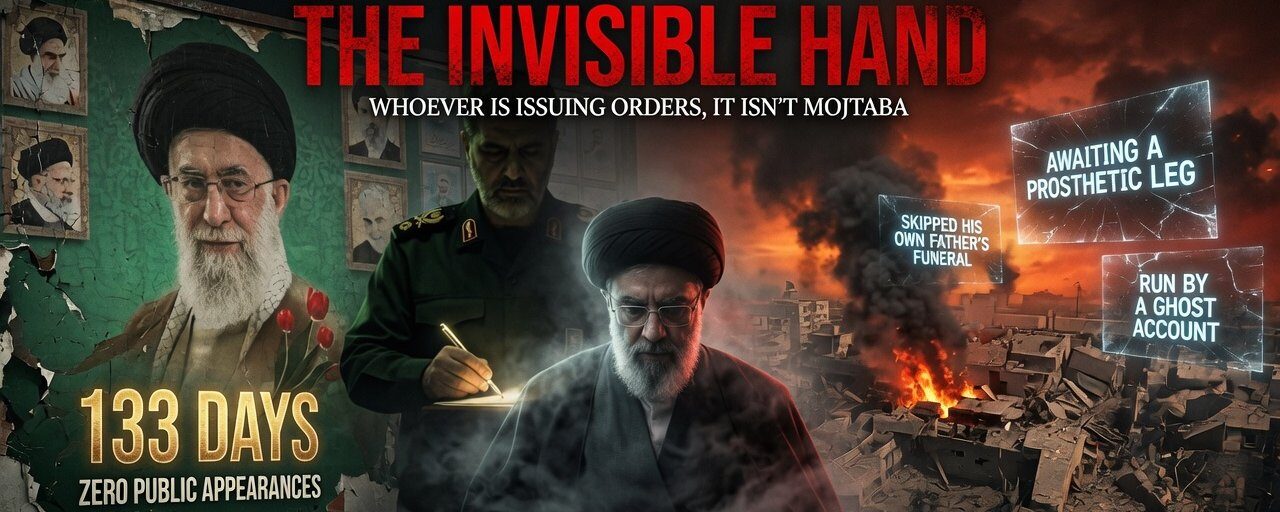
The Ghost Supreme Leader: An Open-Source Investigation
Iran has had a Supreme Leader for 133 days whom nobody has seen.
No video. No verified audio. No photograph taken after February 28. Not one public appearance – not even at his own father’s state funeral. Just written statements, read aloud by television presenters, issued in the name of Ayatollah Seyyed Mojtaba Khamenei.
Yesterday, a statement in his name called the United States “the great Satan” and threatened escalation across the region (Axios, July 18). Today, an Israeli security official told Saudi broadcaster Al Hadath that Mojtaba is not in Iran at all – and that every statement issued in his name is fake, drafted by IRGC commander Ahmad Vahidi and other senior Guards figures “to create a false impression of control and continuity” (Al Hadath via Israel Hayom, July 19).
One of these things cannot be true. Either the Islamic Republic’s most belligerent rhetoric in months is coming from its Supreme Leader – or it’s coming from a committee wearing his name.
This file lays out everything that is documented, everything that is alleged and everything that is disputed about the man who supposedly rules Iran. I’ll grade every claim. You draw the conclusion.
Part 1: The Strike – What We Know Happened
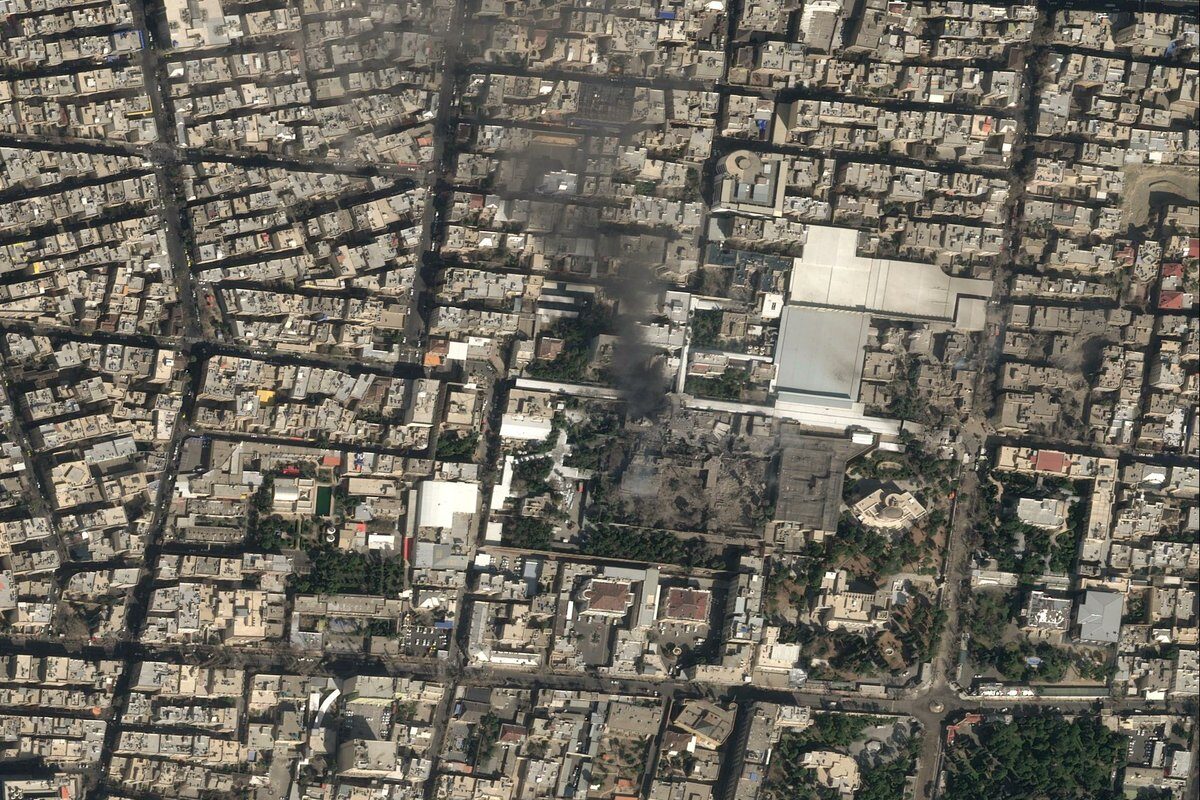
DOCUMENTED. On February 28, 2026, US-Israeli strikes hit the Supreme Leader’s compound in Tehran at the outset of the war. Ali Khamenei, Supreme Leader for 37 years, was killed, along with senior security officials and members of his family. Satellite imagery shows the compound flattened – multiple strike waves, with reports of dozens of bunker-buster munitions used.
DOCUMENTED. Mojtaba Khamenei was reported by Iranian officials and state television to have been wounded in the same strike. His wife, Zahra Haddad Adel and other family members were killed.
DOCUMENTED. The regime waited roughly 20 hours before confirming Ali Khamenei’s death on state television – this from a regime that broadcast footage of him within three days during the 12-day war of 2025, while bombs were still falling.
DOCUMENTED, THEN REVERSED. State media initially reported the death of Mojtaba’s mother, Mansoureh Khojasteh Bagherzadeh, in the days after the strike (March 1–2). On March 12, Fars News – an IRGC outlet – reversed course and reported she was alive. She has not been seen publicly since. Think about what a grieving widow of the “martyred” Supreme Leader would be worth to this regime’s propaganda machine. She has appeared exactly zero times.
ASSESSMENT. No person confirmed to have been inside that compound on February 28 has been seen alive since.
Part 2: The Eight-Day Council and the Fast-Tracked Succession
DOCUMENTED. From March 1–8, Iran was run by a three-man temporary leadership council: President Masoud Pezeshkian, Judiciary chief Gholam-Hossein Mohseni-Eje’i and cleric Alireza Arafi.
DOCUMENTED. On March 7, Pezeshkian announced a suspension of strikes on Gulf and Arab neighbours, apologising for spillover and stating Iran’s fight was with US and Israeli bases only. Hardliners publicly attacked the statement as capitulation. The council was dissolved the next day.
DOCUMENTED. On March 8, the Assembly of Experts announced Mojtaba Khamenei as Supreme Leader – eight days after his father’s death, in the middle of a war, with the leading candidate reportedly wounded in a strike that killed his family.
REPORTED (Western intelligence assessments). According to Western reporting, the IRGC drove Mojtaba’s appointment, pressuring against any candidate who might pursue negotiations or reforms (JNS, April 2026). DNI Tulsi Gabbard testified that Mojtaba is close to hardline IRGC commanders and that Iran’s decision-making mechanism “is not clear.” Jason Brodsky of United Against Nuclear Iran: Mojtaba relied on IRGC support to win the post and is “more dependent” on the force than his father ever was. Alex Vatanka of the Middle East Institute: Mojtaba “cannot summon Khomeini’s charisma and he cannot fake his father’s authority.”
ASSESSMENT. The succession solved a problem – but whose problem? A council the IRGC could only one-third control was replaced in eight days by a single name they fully control. The question this file asks is whether there is a living man behind that name.
Part 3: 133 Days of Silence – The Absence Record
DOCUMENTED. Since March 8, Mojtaba Khamenei has made zero public appearances. No verified video. No verified audio. No confirmed post-strike photograph. Every single communication has been a written statement, read by a presenter or posted online (Reuters, AFP, BBC).
DOCUMENTED. His first statement as Supreme Leader (March 12) was read by a Press TV anchor. He was not on camera. The statement said he learned of his own appointment via state TV. BBC Persian’s interviews inside Iran that week captured the public mood: “I don’t even think it was his message… I feel like control of the country is in the hands of the IRGC.”
REPORTED (US officials). US Defense Secretary Pete Hegseth, March 13: Mojtaba was “wounded and likely disfigured” in the strike.
REPORTED (multiple independent outlets). Reuters, citing people close to his inner circle: his face was disfigured and he suffered significant wounds to one or both legs. In late April, four senior Iranian officials told the New York Times he was awaiting a prosthetic leg and plastic surgery for severe facial burns.
DOCUMENTED. On May 8, the Office of the Supreme Leader declared him in “full health.”
Hold those two claims next to each other. Four of the regime’s own senior officials describe a man awaiting a prosthetic leg and reconstructive facial surgery. His office declares full health – and still cannot produce sixty seconds of video.
DOCUMENTED. July 3–5: Ali Khamenei’s state funeral in Tehran – the highest-profile state event since the war began. Mojtaba did not attend. His three brothers appeared publicly. Per the Jerusalem Post, Times of Israel and NBC News, Iranian security officials rejected his request to attend, citing the risk that Israel would track or kill him.
Take the security rationale at face value and it is still a confession: a Supreme Leader whose own apparatus rules that he cannot attend his father’s funeral is a leader whose condition – injury, vulnerability, or nonexistence – has broken the institution’s basic functioning.
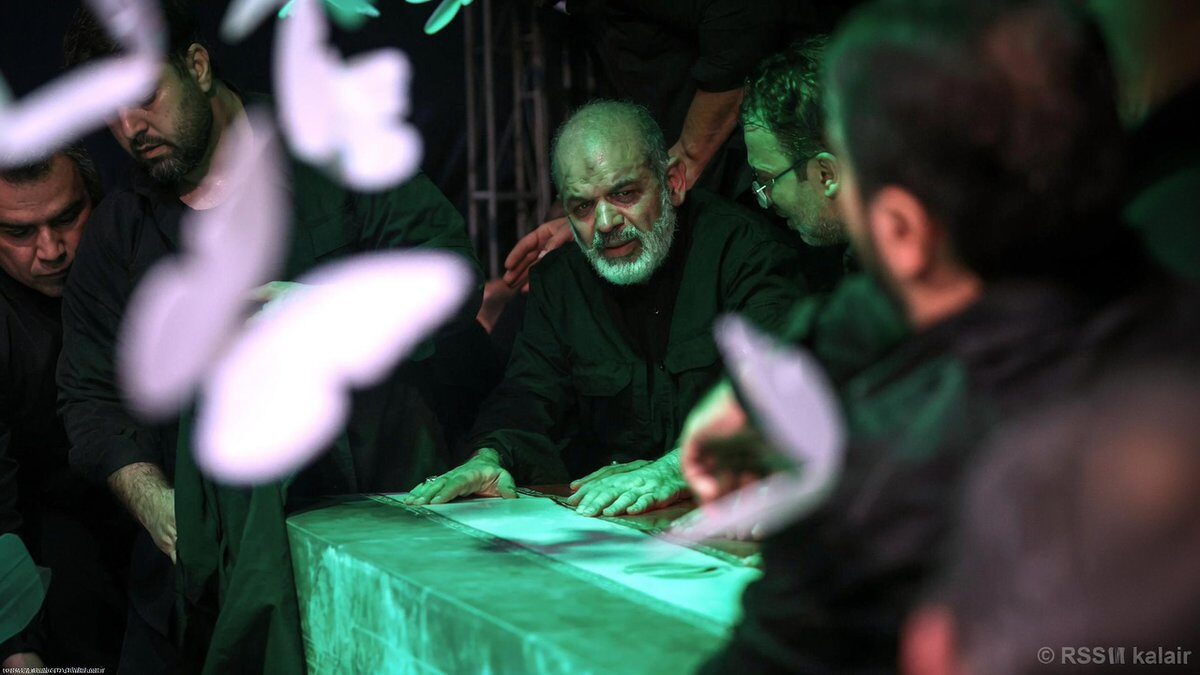
DOCUMENTED. The figure who filled the visible leadership role at the funeral was Ahmad Vahidi – the IRGC commander who had himself been unseen since the ceasefire began and whose predecessor died in the same February 28 strike. Vahidi surfaced for the cameras. The Supreme Leader did not.
DOCUMENTED. Meanwhile, Majlis Speaker Mohammad Bagher Ghalibaf became the most visible face of the Islamic Republic abroad – co-leading the negotiating team at Doha and fronting Iran’s MOU diplomacy. Remember his name. Part 5 is about his office.
Part 4: Who Writes the Statements?
REPORTED (textual analysis, March 2026). Analysts examining Mojtaba’s first statement concluded the text – deliberately styled to imitate his known seminary prose – was written not by one author but by three: cleric Mohammad Mirbaqiri, IRGC commander Ahmad Vahidi and war operations room commander Ali Abdollahi. A related analysis flagged errors in the first message “dictated by the IRGC” as raising questions about his condition (The Media Line).
DOCUMENTED. The statements have continued – and escalated. On July 11, following the funeral, the official account in his name published fourteen posts in under an hour vowing revenge. On July 18, a statement in his name accused Trump of violating the US-Iran agreement and invoked “the great Satan” – language he had never used in office (Axios).
ALLEGED (single source, today). The Al Hadath report, citing an Israeli security official: Mojtaba is not in Iran; his “complete disconnection from events on the ground” means the statements are fabricated; the actual authors are Vahidi and other senior IRGC figures. The same official claimed deep internal divisions “threaten the very existence” of the IRGC.
This is a single anonymous source relayed through a Saudi broadcaster and an Israeli paper, in wartime. It may be intelligence; it may be signalling; it may be both. Grade it accordingly. But notice what it does not need to prove: the claim that Mojtaba’s statements are produced by others was made by independent textual analysts in March – four months before any Israeli official said a word.
Part 5: The Metadata – Original OSINT
This is the part of the file you will not find anywhere else.
Every official statement issued in Mojtaba Khamenei’s name is distributed as a designed PDF through his office’s channels (rahbar_enghelab_ir). PDFs carry embedded metadata: the software that created them, the machine platform and – critically – document lineage identifiers.
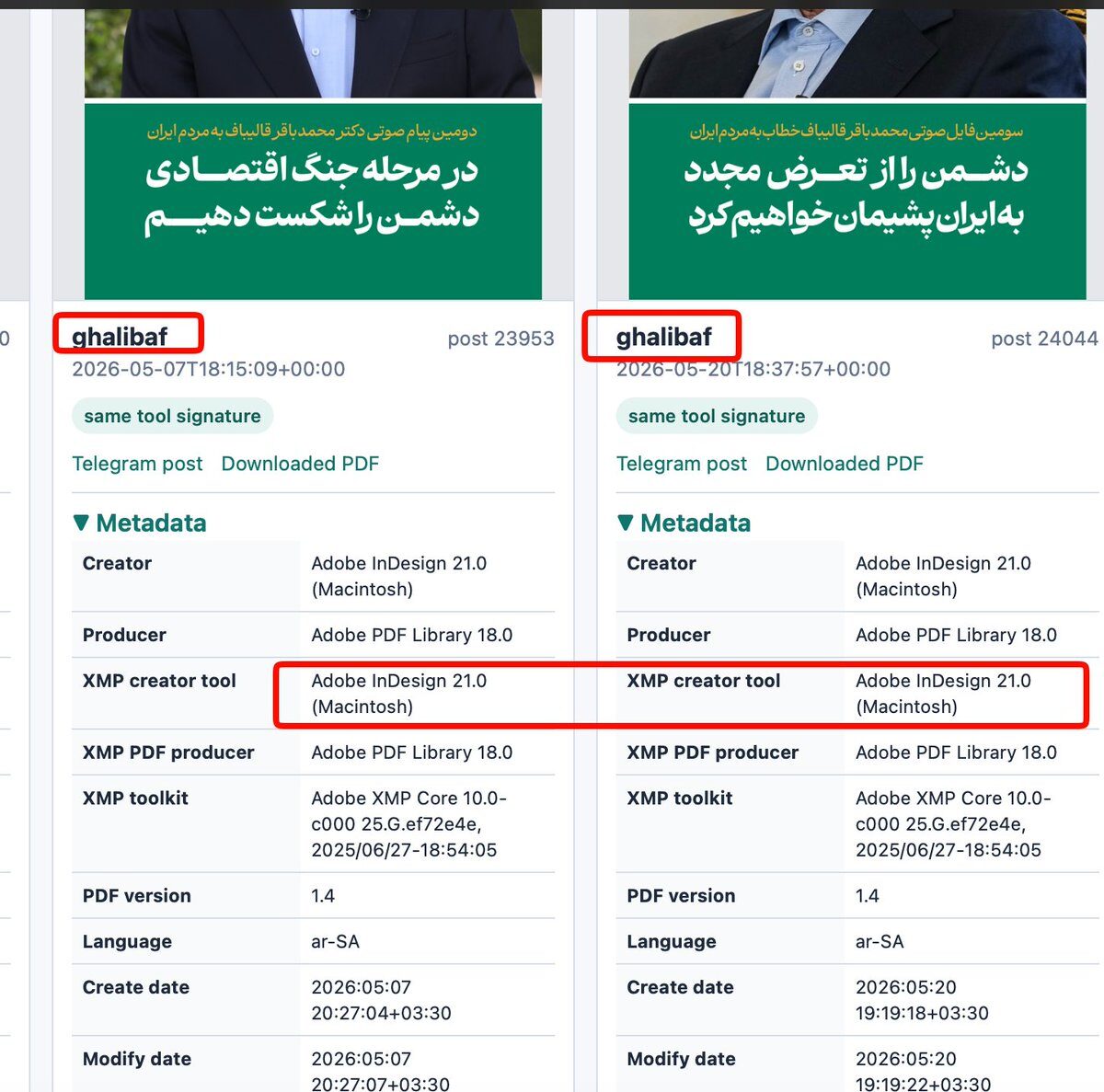
Finding 1 – DOCUMENTED (verifiable from the files themselves). PDFs issued by Mojtaba’s publication office and PDFs issued by Mohammad Bagher Ghalibaf’s publication office share the same OriginalDocumentID.
Let me be precise about why this matters, because it is a much stronger claim than “same software.” Adobe assigns an OriginalDocumentID when a document is first created; it persists through every derivative saved from that file. Two PDFs sharing an OriginalDocumentID are not two offices that happen to own the same software – they are documents descended from the same source template file. The “Supreme Leader’s” statements and the parliament speaker’s statements are being produced from the same document lineage.
Finding 2 – DOCUMENTED (supporting). The tool signatures match as well: Adobe InDesign 21.0 (Macintosh), Adobe PDF Library 18.0, identical XMP Core toolkit build (10.0-c000 25.G.ef72e4e, 2025/06/27). On its own, a version match is circumstantial – plenty of design shops run this exact stack and I’m not going to pretend otherwise. Combined with the shared OriginalDocumentID, it stops being circumstantial. It’s the same workflow.
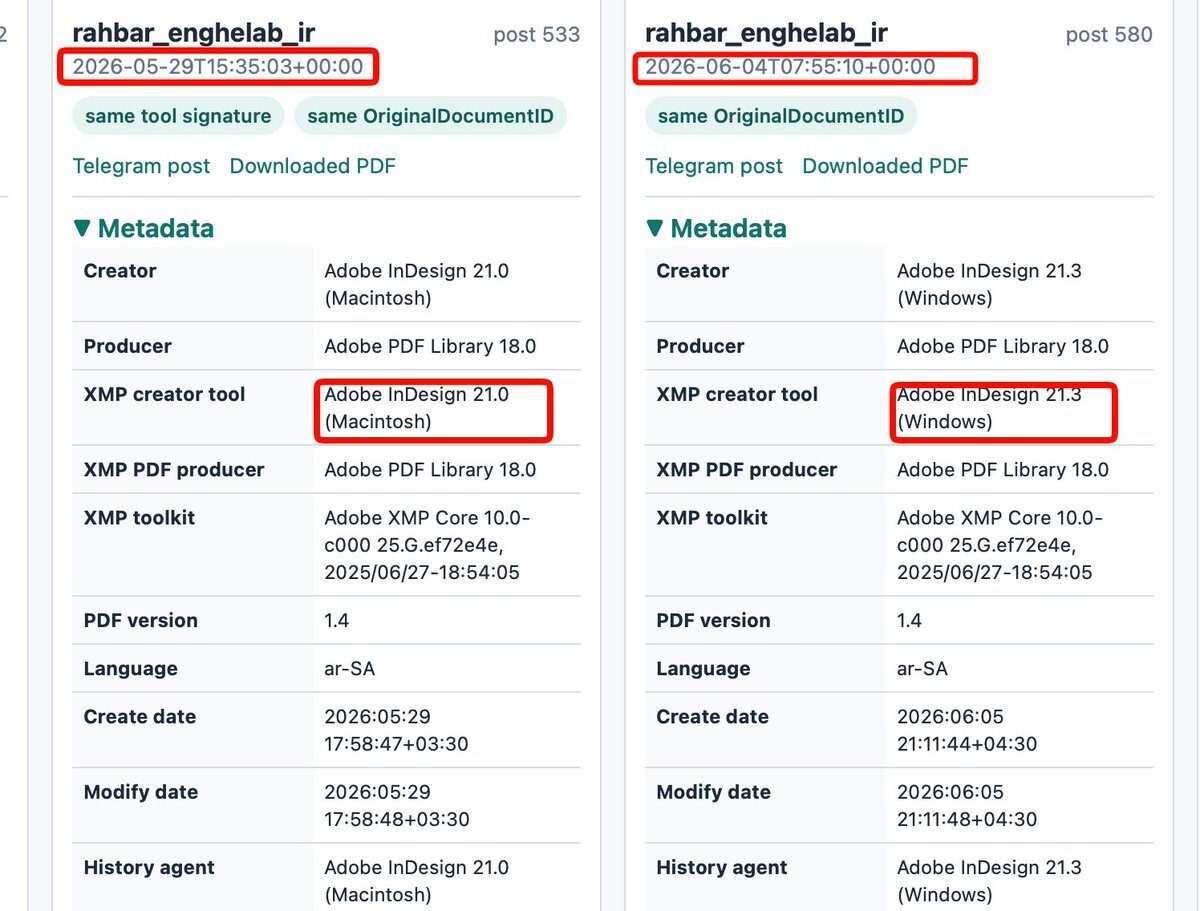
Finding 3 – DOCUMENTED. Between May 29 and June 4, the machine producing Mojtaba’s PDFs changed: from Adobe InDesign 21.0 on Macintosh to InDesign 21.3 on Windows, mid-stream, with the document lineage intact. Whoever operates the “Supreme Leader’s” publication pipeline swapped computers – or the pipeline moved to a different operator.
Pre-empting the objection. “Government offices share resources.” Fine. Then explain why the office of the Supreme Leader – constitutionally the most powerful institution in Iran, with its own budget, staff and 37 years of built-out infrastructure inherited from his father – is publishing its founding leader-of-the-revolution communiqués off the parliament speaker’s template files. Shared resources between a district office and a ministry is bureaucracy. The Supreme Leader’s office having no independent document production of its own is a data point about whether the Supreme Leader’s office independently exists.
Part 6: Three Hypotheses, Graded
Hypothesis A: Alive, severely injured, in hiding inside Iran. Supported by: NYT’s four-official sourcing on his injuries; the security rationale for the funeral absence; the Russian ambassador’s statement that he remains in Iran; Iranian officials’ insistence that he is conscious and involved; reports that his communications run through handwritten notes and human couriers to defeat US-Israeli signals tracking; Secretary Rubio’s indication that he is alive and increasingly engaged. Strained by: 133 days is long enough to produce one proof-of-life photograph under any security protocol. The regime released footage of his father three days into the 2025 war, under active bombardment. A single time-stamped image would end every rumour in this file – including this article. They have not produced one. What would falsify it: Nothing needs to. This is the mainstream default. What would confirm it is trivial: one verifiable photo or video.
Hypothesis B: Alive – somewhere – but a figurehead, with the IRGC ruling through his name. Supported by: Everything in Hypothesis A, plus the textual analysis showing committee authorship since the very first statement; the metadata showing his office’s documents share a production lineage with Ghalibaf’s; Vahidi filling every visible leadership function; Gabbard’s testimony that the decision-making mechanism is “not clear”; today’s Al Hadath claim that he is outside Iran with statements drafted by Vahidi. Note that Hypothesis B is compatible with the Israeli claim even if he’s alive: “not in Iran” plus “statements drafted by others” describes a figurehead, not a functioning leader. Strained by: Little. This hypothesis fits nearly every data point. Its weakness is that it’s hard to distinguish from Hypothesis C from the outside – which is precisely the point. What would falsify it: Mojtaba making an independent, verifiable public decision that cuts against IRGC preferences. Nothing resembling this has occurred; if anything, statements in his name have hardened in exact step with IRGC escalation.
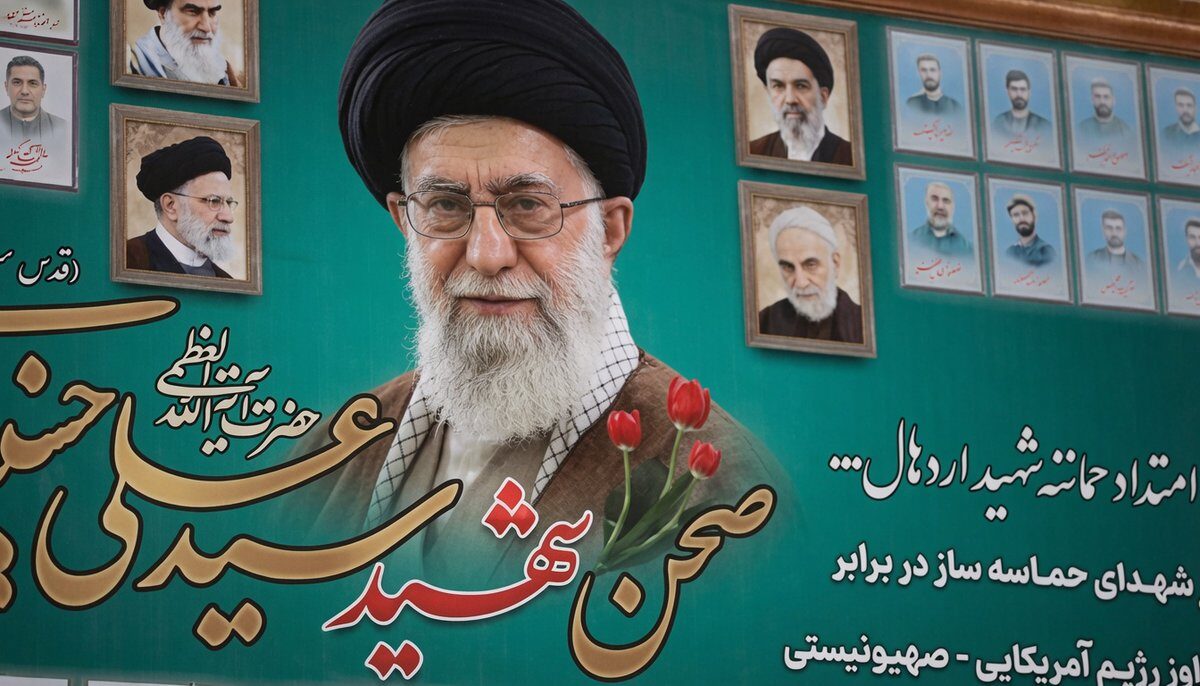
Hypothesis C: Dead since February 28. Supported by: He was reported inside the compound during a multi-wave strike that killed everyone else confirmed present, including his wife; no proof of life in 133 days; the mother’s death announcement and unexplained reversal, which reads like damage control against a “sole survivor” narrative that would collapse under scrutiny; the funeral absence; the regime’s total abandonment of what would be its greatest propaganda asset – a living, defiant heir; the committee-authored statements from day one; the shared document lineage with Ghalibaf’s office; a “full health” declaration that contradicts the regime’s own officials. Strained by: Mainstream intelligence assessments (US and Israeli) treat him as alive; Iranian officials from multiple factions maintain he is functional; secrets this large, held by this many people, historically leak – and after 133 days no defector, intercept, or document has confirmed a death. The NYT’s four-official sourcing on his medical treatment is specific in a way that’s hard to square with a corpse – unless the sources are conduits for the cover story, which is unfalsifiable and therefore a weak place to stand. What would falsify it: One photograph. Five minutes of the regime’s time.
My assessment: B is the floor. The evidence that Mojtaba Khamenei is not independently exercising the office of Supreme Leader is, at this point, overwhelming – committee-drafted statements, borrowed document infrastructure, a stand-in at every public function. Whether the man himself is recovering in a bunker, sitting in a foreign hospital, or buried under that compound is the open question and I will not claim to have closed it. What’s closed is this: the Islamic Republic is being governed by statements nobody can attribute to a living hand and the IRGC commanders drafting them decided – the day the MOU collapsed and the missiles resumed – that “Mojtaba Khamenei” wants war.
Part 7: Why This Matters Beyond the Mystery
This is not palace gossip. The statements issued in Mojtaba’s name have closed the Strait of Hormuz, threatened US bases across the region, declared the MOU void and invoked “the great Satan” as US strikes and Iranian missile attacks escalate daily. The July 19 Al Hadath report also claims Tehran set in motion an operation to assassinate senior Israeli figures in central Tel Aviv as revenge for Ali Khamenei’s killing.
Every one of those escalations carries a signature nobody can verify, from an office that publishes off another man’s template files, on behalf of a leader whose own security services would not let him bury his father.
When Western governments weigh whether “Iran’s Supreme Leader” can be negotiated with, deterred, or held to an agreement, they are weighing a construct. The February 28 strike didn’t just kill a Supreme Leader. It may have killed the office itself – and the men who inherited the rubble found it more useful to install a ghost than to admit it.
The Islamic Republic doesn’t do transparency. It does theatre. And for 133 days, the star of the show has been a name on a PDF.
Sources: Israel Hayom / Al Hadath (July 19, 2026); Axios (July 18, 2026); Times of Israel / AFP (July 2026); NBC News, Jerusalem Post (July 2026); New York Times (April 2026); JNS / DNI testimony (April 2026); The Media Line (March 2026); Reuters; BBC Persian (March 2026); Al Jazeera (March 2026); Fars News (March 2026); PDF metadata analysis of rahbar_enghelab_ir and Ghalibaf publication channels (author’s own, May–June 2026). Claims are graded throughout as documented, reported, or alleged. I document Iran’s influence networks and power structures from primary sources. No claims without receipts.